Medical SMP, Stem Cell Hair Restoration & Skin Rejuvenation in Gangnam, Seoul · Multilingual Concierge
1:1 Personalized Care by Dr. Hyung Geon Kim, M.D., Ph.D.
en-US

Clinical Guide
Natural-Looking SMP Hairline: What Patients Should Know
Understanding Hairline Loss The frontal hairline is structurally different from the rest of the scalp, and that difference explains why some SMP results look convincing and others do not.
Schedule a ConsultationUnderstanding Hairline Loss
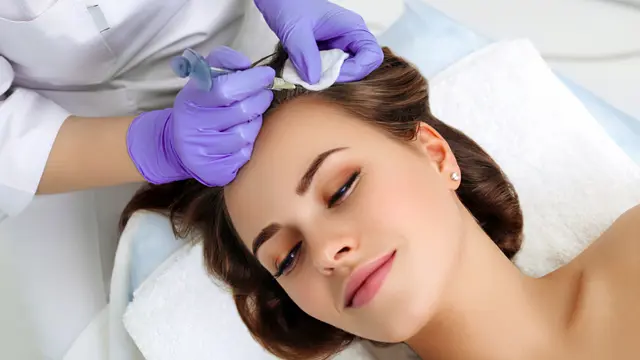
The frontal hairline is structurally different from the rest of the scalp, and that difference explains why some SMP results look convincing and others do not.
The anatomy of a natural hairline
A natural hairline is not a line at all. It is an irregular transition zone, several millimetres deep, containing finer and lighter single-follicle hairs that gradually give way to thicker, denser growth behind them. Hairs emerge at varying angles, small clusters sit slightly forward of the main edge, and the temporal points are almost never perfectly symmetrical. The eye is highly sensitive to these irregularities, which is why a uniform, sharply drawn hairline reads as artificial even from a distance.
Why hairlines recede
The most common cause is androgenetic alopecia — male- or female-pattern hair loss — a hereditary, hormone-mediated condition in which follicles progressively miniaturise, producing finer hairs with each growth cycle until growth ceases. In men this typically presents as temporal recession and crown thinning, classified using the Norwood scale. In women it more often appears as diffuse mid-scalp thinning with relative preservation of the frontal hairline, described using the Ludwig scale.
Other causes include telogen effluvium following illness, childbirth, or significant stress; traction alopecia from persistently tight hairstyles; scarring (cicatricial) alopecias, in which follicles are permanently destroyed; and hair loss secondary to trauma. Because treatment differs substantially between these conditions — and because some are reversible while others are not — accurate diagnosis should precede any cosmetic procedure.
What Scalp Micropigmentation Is — and What It Is Not
SMP is a cosmetic pigmentation procedure in which specialised pigment is deposited into the upper layers of the scalp to replicate the visual appearance of hair. It creates the impression of density, definition, and a restored hairline.
It is equally important to understand what SMP does not do. It does not regrow hair, halt ongoing hair loss, or alter follicle biology. It is a visual solution rather than a biological one, which is why many patients use SMP alongside medical hair loss management rather than as a substitute for it.
The strand-by-strand technique
Conventional SMP relies on uniform dots that simulate the shadow of closely shaved stubble. This can look convincing on a closely cropped head, but tends to appear artificial where longer hair or a soft frontal hairline is expected, particularly in close-up or bright, directional light.
At Return Clinic, the SMP technique replicates individual hair strands rather than dots, matching the direction, thickness, and natural flow of the surrounding hair. Along the frontal hairline in particular, this allows the practitioner to build the feathered, irregular edge that the eye interprets as genuine growth, rather than a pigmented border. Pigment density is varied deliberately — lighter and more scattered at the leading edge, denser behind it — to reproduce the natural gradient of a real hairline. Return Clinic also operates its own SMP Medical Tattoo Academy, reflecting a sustained institutional focus on technique refinement and practitioner training.
How SMP compares with other options
Patients weighing their options generally consider three approaches. Medical therapy aims to slow progression and sometimes partially restore growth, but requires ongoing use and works gradually. Hair transplant surgery relocates viable follicles to thinning areas, offering genuine growth, but involves surgery, longer recovery, and donor-area limitations. SMP offers immediate visual improvement without surgery, but does not produce hair.
These options are not mutually exclusive. SMP is frequently used to camouflage donor-site scarring after transplant surgery, or to create the appearance of greater density between grafted follicles. The right combination depends on hair loss pattern, donor availability, and personal preference — which is why an assessment-led consultation matters more than any single technique.
Who Is a Suitable Candidate?
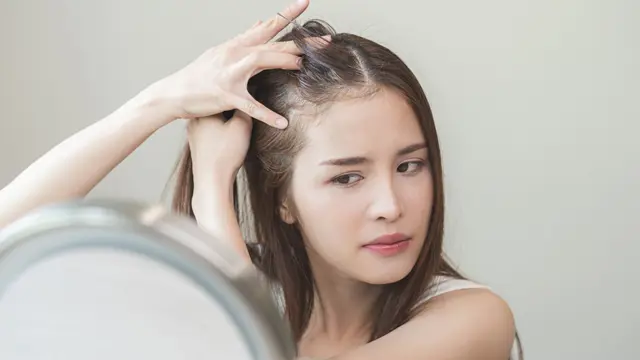
SMP hairline treatment may be appropriate for patients with:
- Receding, uneven, or poorly defined frontal hairlines
- Diffuse thinning where scalp show-through is visible under lighting
- Stable, non-progressive hair loss patterns
- Scarring from previous hair transplant surgery or scalp injury
- A preference for a non-surgical option, or medical reasons that make surgery unsuitable
When another approach may be considered first
Patients with rapidly progressing hair loss are often advised to stabilise the condition medically before committing to a fixed hairline design. Continued recession behind a pigmented hairline can create a visible separation between pigment and remaining hair, requiring revision. Younger patients in the early stages of pattern hair loss may be counselled toward a more conservative design for the same reason, since a hairline appropriate at twenty-five can look incongruous at forty-five.
Active scalp inflammation, uncontrolled dermatological conditions such as psoriasis or severe seborrhoeic dermatitis, a history of keloid scarring, certain autoimmune conditions, and known pigment sensitivities all warrant assessment beforehand. Treatment may be deferred where appropriate.
The Procedure Process
Consultation and assessment. Hair loss pattern, scalp condition, skin type, and existing hair colour are evaluated, and the underlying cause of hair loss is discussed. Medical history, medications, and prior scalp procedures are reviewed, and realistic outcomes are established before treatment begins.
Hairline design. The proposed hairline is drawn and reviewed with the patient before any pigment is applied. Age-appropriate positioning matters considerably: a hairline placed too low or drawn too straight is the single most common reason SMP looks artificial. Slight asymmetry and irregularity are designed in deliberately, and the shape is adjusted until the patient is satisfied.
Pigment matching. Pigment tone is selected to match existing hair colour and skin undertone, accounting for how it will settle and soften as it heals. Conservative tone selection is generally preferred, since depth can be added later but is difficult to remove.
Application sessions. SMP is typically completed over two to three sessions spaced days to weeks apart. Building density gradually allows the practitioner to assess how pigment has healed before adding more, rather than committing to a final result in one sitting. Topical numbing is generally used, and most patients describe the sensation as mild discomfort rather than pain.
Review and refinement. A follow-up review confirms healed tone, density, and hairline shape, with refinement performed where needed once the scalp has fully settled.
Medical Leadership and Clinical Oversight
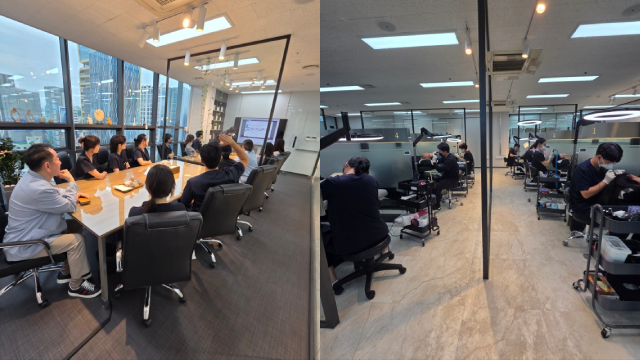
Return Clinic is led by Dr. Hyung Geon Kim, M.D., Ph.D. (), a graduate of Seoul National University College of Medicine. Dr. Kim is board certified in Internal Medicine and holds subspecialty certification in Gastrointestinal Endoscopy from the Korean Society of Gastrointestinal Endoscopy. His career includes a fellowship at Asan Medical Center in Seoul, an assistant professorship in Internal Medicine, a professorship at Case Western Reserve University Hospital in the United States, and service as Chief of Internal Medicine and Medical Director at a general hospital.
While SMP is an aesthetic procedure rather than an internal medicine one, this background informs the clinic's approach to patient screening, contraindication review, hygiene and sterilisation standards, and candid counselling about what a procedure can and cannot achieve.
Clinic Strengths
Return Clinic operates on the 11th floor of K-Tower on Gangnam-daero in Seocho-gu, near Sinsa Station in Seoul's principal medical district. Treatment plans are structured individually rather than sold as fixed packages. Because the clinic also offers hair loss assessment, regenerative hair treatments, and skin rejuvenation, a hairline concern can be addressed in the context of overall hair health — including, where appropriate, combining pigmentation with medical management of the underlying condition. Evening consultations are available on weekdays.
Recovery, Safety, and Realistic Outcomes
Recovery and aftercare
Downtime is minimal. Mild redness and tenderness across the treated area are common and generally settle within one to three days. Pigment points may appear darker initially before softening as the skin heals. Patients are typically advised to keep the scalp dry for the first 24 to 48 hours, and to avoid heavy sweating, swimming pools, saunas, and direct sun exposure for several days afterward. Most people return to work the following day. Written aftercare instructions are provided, and adherence during the first week affects how evenly pigment settles.
Safety considerations
Reported risks include pigment migration or blurring, colour shift over time, uneven healing, and — less commonly — infection or allergic reaction to pigment. Pigment placed too deeply into the skin is a recognised cause of blurred, spread results that are difficult to correct. Choosing a clinic with medical oversight, single-use sterile needles, appropriate depth control, and quality-controlled pigments meaningfully reduces these risks. Patients should feel comfortable asking about pigment sourcing, sterilisation protocols, and the practitioner's experience with their hair loss pattern.
Realistic outcomes
Results are not permanent. Pigment gradually fades over a period of years as skin cells turn over, and periodic touch-up sessions are needed to maintain tone and definition — commonly every few years, though this varies. Sun exposure, skin type, and individual metabolism all influence longevity, and consistent sun protection extends results.
Well-executed SMP produces a convincing hairline in most everyday lighting conditions and at conversational distance. However, it reproduces the appearance of very short or closely shaved hair. It will not simulate long or voluminous hair, nor restore the texture of real growth. Patients who understand this distinction beforehand are consistently the most satisfied afterward.
Considering Treatment
Patients considering an SMP hairline are encouraged to arrange a consultation, where hair loss pattern, underlying causes, candidacy, design options, and expected maintenance can be discussed individually before any decision is made.
Frequently Asked Questions
More Articles
Continue exploring hair restoration and skin rejuvenation insights from Return Clinic.
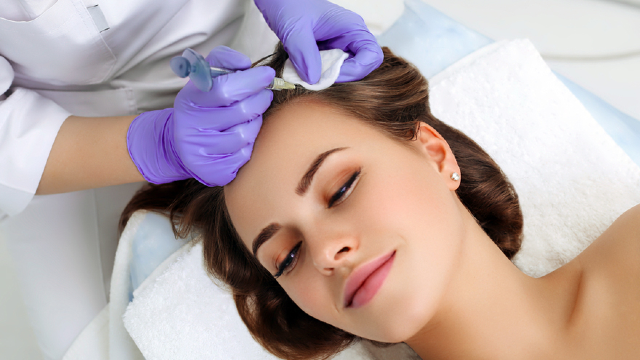
Return Clinic's Non-Surgical Options Compared by Concern
Return Clinic's Non-Surgical Options Compared by Concern Medically reviewed by Dr. Hyung Geon Kim, M.D., Ph.D., Board-Certified Internal Medicine Specialist A clinic menu is organized by what the clinic does.
Learn More
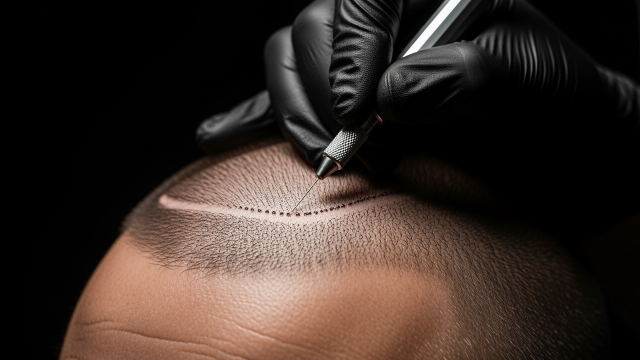
SMP scalp tattoo guide to Korea from Beijing: Guide to appointments, face-to-face consultations and return journeys
北京去韩国做SMP头皮纹发:行程、预约与术后返程规划 医学审核 Dr. Hyung Geon Kim, 医学博士,内科专科医师 要点总结 京首双城短途直飞优势 :从北京首都国际机场或北京大兴国际机场出发,直飞首尔金浦国际机场或仁川国际机场的航程仅需约两小时左右;这一便捷的交通条件使 北京去韩国做SMP 成为周末短途或小长假出行的可行选择。
Learn More
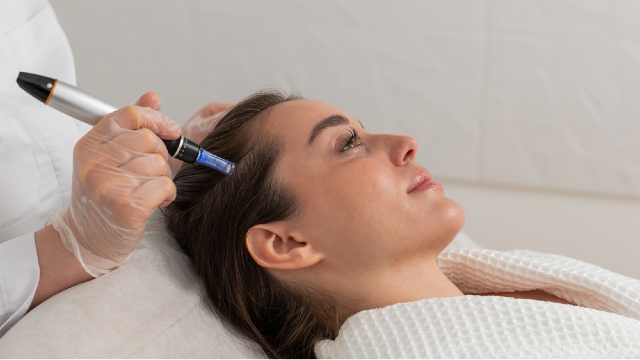
Is Scalp Micropigmentation Painful? A Straight Answer
Is Scalp Micropigmentation Painful? A Straight Answer Medically reviewed by Dr. Hyung Geon Kim, M.D., Ph.D., Board-Certified Internal Medicine Specialist Pain is near the top of what US patients ask Return…
Learn More