Medical SMP, Stem Cell Hair Restoration & Skin Rejuvenation in Gangnam, Seoul · Multilingual Concierge
1:1 Personalized Care by Dr. Hyung Geon Kim, M.D., Ph.D.
en-US

Clinical Guide
When Skin Rejuvenation & Regenerative Aesthetics Is Recommended
Understanding Skin Aging and Why Rejuvenation Matters Skin aging is driven by a combination of intrinsic and extrinsic factors: declining collagen and elastin production, reduced skin cell turnover, cumulative…
Schedule a ConsultationUnderstanding Skin Aging and Why Rejuvenation Matters

Skin aging is driven by a combination of intrinsic and extrinsic factors: declining collagen and elastin production, reduced skin cell turnover, cumulative sun exposure, and lifestyle influences such as stress, diet, and sleep quality. Collagen is the structural protein that gives skin its firmness, while elastin allows skin to stretch and recoil. As the body's natural production of both declines with age, skin can appear thinner, less elastic, and more prone to fine lines, uneven texture, and dullness.
This process typically unfolds gradually and in stages. In the mid-to-late twenties and thirties, changes are often subtle — mild dehydration, occasional dullness, or the first fine lines around the eyes. By the forties and beyond, more noticeable volume loss, textural changes, and reduced skin elasticity tend to appear, often compounded by years of environmental exposure.
These changes are not purely cosmetic. Skin quality is closely tied to how skin functions as a protective barrier against environmental stressors, moisture loss, and irritants. Gradual loss of elasticity and hydration can affect overall skin resilience and comfort, not just visible appearance. This is one reason modern aesthetic medicine has shifted toward regenerative approaches — treatments designed to support the skin's own repair and renewal processes, rather than simply masking visible signs of aging on the surface.
What Is Regenerative Aesthetic Treatment?
Regenerative aesthetics refers to a category of treatments that work with the body's biological repair mechanisms to improve skin structure from within, rather than relying solely on temporary surface correction. The underlying principle is to stimulate the skin's own collagen synthesis, improve cellular renewal, and gradually restore skin density and quality over time.
Because skin aging is multifactorial, regenerative treatment plans are often layered — combining different modalities to address hydration, structural support, and muscle-related lines separately. At Return Clinic, this category includes several evidence-informed options, each suited to different skin concerns and stages of aging.
Polynucleotide (PN) Skin Boosters
Polynucleotide-based treatments, such as Rejuran, use purified DNA fragments to support tissue repair and improve hydration and tone at a cellular level. They are commonly recommended for patients experiencing early signs of dullness, dehydration, or fine lines, and are often used as a foundational treatment before layering in additional regenerative options.
Collagen-Stimulating Fillers
Treatments like Juvelook are formulated to encourage the skin's own collagen production over time, gradually improving volume and skin quality rather than delivering only an immediate, temporary filling effect. This distinguishes them from traditional dermal fillers, which primarily add volume without necessarily stimulating long-term structural change.
Exosome Therapy
Exosome-based treatments represent a newer regenerative approach aimed at supporting deeper cellular renewal. Exosomes are small vesicles involved in cell-to-cell signaling, and their use in aesthetic medicine is an area of active clinical interest. These treatments are often used alongside other rejuvenation protocols for patients seeking a more comprehensive improvement in overall skin condition.
HIFU (High-Intensity Focused Ultrasound) Lifting
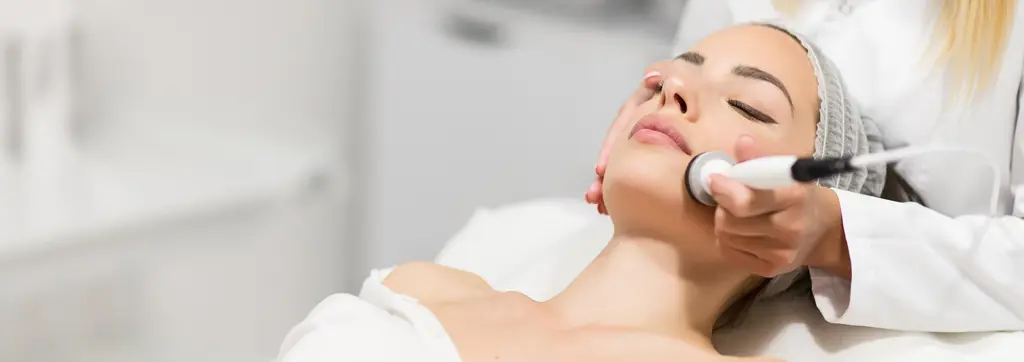
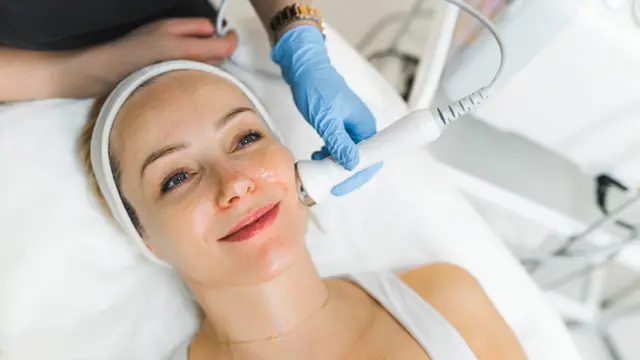
Non-invasive ultrasound technology, such as the Liftera-A2 system used at Return Clinic, delivers focused energy to deeper skin layers to promote tightening and improved facial contour without surgical intervention or significant downtime. HIFU is frequently considered by patients who notice early skin laxity but are not yet seeking, or are not candidates for, surgical lifting procedures.
Botulinum Toxin (Botox)
For concerns related to dynamic wrinkles caused by repeated muscle movement — such as lines around the eyes or forehead — botulinum toxin injections offer a well-established, precise method of temporarily relaxing targeted muscles. This treatment addresses a different mechanism of aging than the regenerative options above and is often used in combination with them as part of a broader treatment plan.
Who Is a Good Candidate for Skin Rejuvenation?
Skin rejuvenation and regenerative treatments are generally considered for adults who notice one or more of the following:
- Early to moderate loss of skin elasticity or firmness
- Uneven skin tone, texture, or dullness
- Fine lines or early wrinkles
- Dehydrated or thinning-appearing skin
- A desire to maintain skin quality proactively, before more visible aging signs develop
Candidacy is not determined by age alone. Some patients in their late twenties seek preventive regenerative care to maintain skin quality, while others in their forties or fifties may be addressing more established volume loss or laxity. What matters most is the individual's specific skin condition and goals, assessed directly by a clinician.
Certain factors may affect candidacy or require modification of a treatment plan. Patients with active skin infections, certain autoimmune conditions, uncontrolled bleeding disorders, or those taking specific medications — such as blood thinners — may need to delay treatment, adjust dosing, or consider alternative approaches. Pregnancy and breastfeeding are also generally considered contraindications for most injectable and energy-based aesthetic treatments. This is why an in-person consultation and thorough skin assessment are essential first steps: regenerative treatments are not one-size-fits-all, and a responsible treatment plan should be built around each patient's unique medical history and skin presentation rather than a generic protocol.
What Does the Treatment Process Involve?
While specific steps vary by treatment type, a typical regenerative aesthetic visit at Return Clinic generally follows this structure:
- Consultation and Skin Assessment — A clinician evaluates skin condition, discusses medical history, reviews any current medications, and identifies realistic goals for treatment.
- Treatment Planning — Based on the assessment, a customized plan is proposed, which may combine one or more regenerative options — for example, pairing a PN skin booster with HIFU lifting — depending on the concern being addressed.
- Procedure — Most treatments, including PN boosters, collagen-stimulating fillers, and HIFU lifting, are performed on an outpatient basis, often with topical or local anesthesia as needed for patient comfort. Procedure times vary depending on the treatment and area addressed, but most regenerative sessions can be completed within a single clinic visit.
- Aftercare Guidance — Patients receive instructions on skincare, sun protection, and activity levels to support optimal healing and results. This may include guidance on avoiding certain skincare actives temporarily, using gentle cleansers, and applying sunscreen consistently.
- Follow-Up — Since regenerative treatments often work gradually as collagen remodeling occurs, follow-up visits help track progress, address any questions, and determine whether additional sessions are appropriate to reach the patient's goals.
Patients are encouraged to ask questions at each stage of this process, including what results are realistic, how many sessions may be needed, and how the plan may be adjusted if progress differs from expectations.
Doctor's Background and Clinical Oversight
Treatment at Return Clinic is overseen by Medical Director Hyung Geon Kim, M.D., Ph.D., a graduate of Seoul National University College of Medicine. Dr. Kim holds board certification in Internal Medicine and subspecialty certification in Gastrointestinal Endoscopy from the Korean Society of Gastrointestinal Endoscopy. His clinical background includes a fellowship at Asan Medical Center in Seoul — one of Asia's leading tertiary medical institutions — as well as academic appointments including a former professorship at Case Western Reserve University Hospital in the United States, and prior service as Chief of Internal Medicine and Medical Director at a general hospital. His research background includes work in chronic viral hepatitis, liver cirrhosis, fatty liver disease, and hepatocellular carcinoma.
This internal medicine foundation informs a clinically cautious approach to aesthetic care at Return Clinic — one that prioritizes thorough patient safety screening, careful review of medical history, and individualized assessment before any regenerative or cosmetic procedure is recommended. Rather than approaching aesthetic treatment purely from a cosmetic standpoint, this background supports a broader, health-oriented view of how a treatment plan may interact with a patient's overall medical profile.
What Makes Return Clinic's Approach Distinct
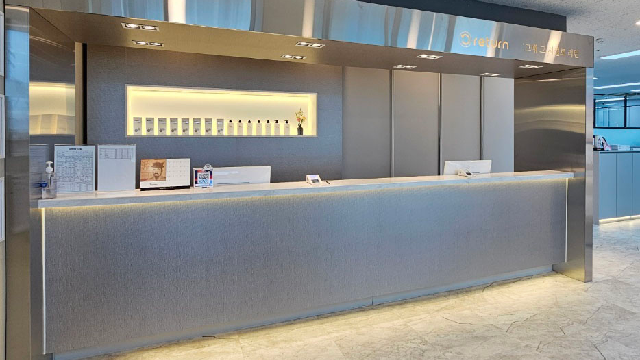
Located on the 11th floor of K-Tower on Gangnam-daero in Seocho-gu, near Sinsa Station, Return Clinic brings together aesthetic medicine and regenerative therapy under a single clinical philosophy: restoring each patient's own natural appearance rather than imposing a uniform aesthetic standard. This approach is reflected in the clinic's stated commitment to four guiding principles — pursuit of natural-looking results, continuous study of evolving techniques, restoring inner confidence through outer improvement, and empathy-driven, individualized care from first consultation through follow-up.
The clinic's 2026 expansion into a dedicated Stem Cell Center reflects its continued focus on regenerative approaches to aesthetic care, offered alongside more established treatments like PN skin boosters, collagen-stimulating fillers, and HIFU technology. This center broadens the range of regenerative options available to patients seeking longer-term rejuvenation strategies beyond single-session treatments.
Each treatment plan is built individually, taking into account skin type, degree of aging change, medical history, and patient goals, rather than applying a standardized package to every patient. This individualized approach is central to how the clinic frames its role: not as a provider of a fixed menu of procedures, but as a partner in an ongoing, personalized skin health process.
Recovery, Safety, and Realistic Expectations
Most regenerative skin treatments involve minimal downtime, which is one reason they are often chosen by patients seeking effective results without extended recovery periods. Mild redness, swelling, or tenderness at injection sites is common after PN boosters or collagen-stimulating filler treatments and typically resolves within a few days. HIFU treatments may cause temporary warmth, mild swelling, or slight redness in the treated area, which usually subsides shortly after the session.
It is important to set realistic expectations before beginning any regenerative treatment. These approaches generally produce gradual, cumulative improvement rather than immediate dramatic change. Collagen remodeling is a biological process that takes time — often several weeks to months — and optimal results may require a series of sessions rather than a single visit. Results also vary between individuals based on age, baseline skin condition, and lifestyle factors such as ongoing sun exposure, smoking, and skincare habits following treatment.
As with any aesthetic procedure, patients should discuss potential risks, expected timelines, and alternative options thoroughly with their treating physician before proceeding. Open communication about medical history, expectations, and any concerns during recovery helps support both safety and satisfaction with the outcome.
Final Thoughts
Skin rejuvenation and regenerative aesthetics are best approached as a personalized, gradual process rather than a quick fix. Recognizing early changes in skin elasticity, tone, or texture — and seeking a professional assessment rather than self-diagnosing or self-treating — allows for treatment planning that aligns with an individual's specific skin biology and goals. For residents of Seocho-gu and the greater Seoul area, a consultation with a qualified clinical team, such as the one at Return Clinic, is a reasonable first step toward understanding which regenerative options, if any, are appropriate for one's skin, and how a realistic, individualized treatment timeline might look.
Frequently Asked Questions
More Articles
Continue exploring hair restoration and skin rejuvenation insights from Return Clinic.
Return Clinic's Non-Surgical Options Compared by Concern
Return Clinic's Non-Surgical Options Compared by Concern Medically reviewed by Dr. Hyung Geon Kim, M.D., Ph.D., Board-Certified Internal Medicine Specialist A clinic menu is organized by what the clinic does.
Learn More
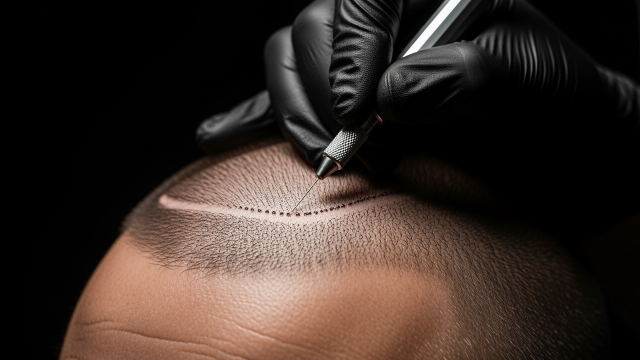
SMP scalp tattoo guide to Korea from Beijing: Guide to appointments, face-to-face consultations and return journeys
北京去韩国做SMP头皮纹发:行程、预约与术后返程规划 医学审核 Dr. Hyung Geon Kim, 医学博士,内科专科医师 要点总结 京首双城短途直飞优势 :从北京首都国际机场或北京大兴国际机场出发,直飞首尔金浦国际机场或仁川国际机场的航程仅需约两小时左右;这一便捷的交通条件使 北京去韩国做SMP 成为周末短途或小长假出行的可行选择。
Learn More
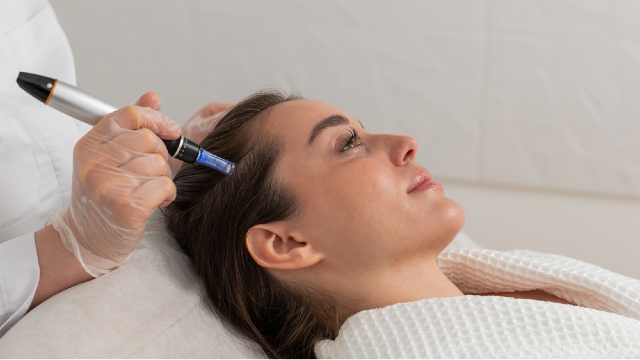
Is Scalp Micropigmentation Painful? A Straight Answer
Is Scalp Micropigmentation Painful? A Straight Answer Medically reviewed by Dr. Hyung Geon Kim, M.D., Ph.D., Board-Certified Internal Medicine Specialist Pain is near the top of what US patients ask Return…
Learn More